How Does ERPNext Cloud Hosting Simplify Business Operations?
How Does ERPNext Cloud Hosting Simplify Business Operations?

How Does ERPNext Cloud Hosting Simplify Business Operations?
Running a business today is no longer just about selling a good product or service. It is about managing operations smoothly, tracking finances accurately, responding to customers faster, and making decisions based on real data. This is where modern ERP software comes into the picture.
Choosing the right ERP system is a critical decision for any growing business. With increasing competition, complex operations, and the need for real-time insights, companies are actively searching for ERPNext Solutions that can streamline processes and support long-term growth. An ERPNext Demo is often the first hands-on interaction decision-makers have with the software, and it plays a major role in determining whether ERPNext is the right fit.
In today’s fast-changing business environment, growth is no longer just about increasing revenue. It is about scalability, flexibility, data-driven decision-making, and the ability to adapt quickly to market demands. Traditional on-premise ERP systems often struggle to keep up with these expectations due to high infrastructure costs, limited scalability, and complex maintenance requirements.
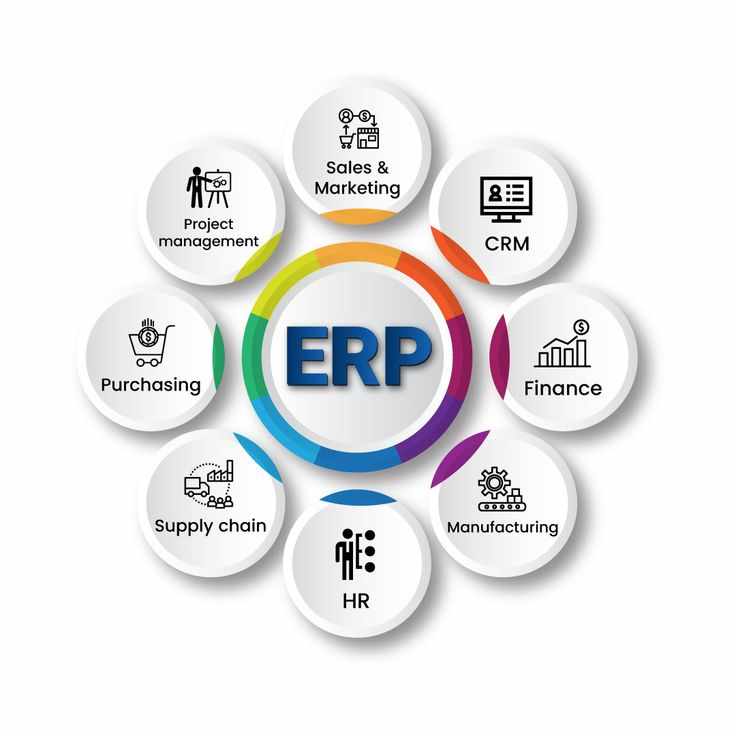
Running a business today is no longer just about selling a good product or service. It is about managing operations smoothly, tracking finances accurately, responding to customers faster, and making decisions based on real data. This is where modern ERP software comes into the picture.

Choosing the right ERP system is no longer a luxury. It is a necessity for businesses that want control, clarity, and long-term growth. From managing daily accounting to handling complex manufacturing operations, modern enterprises need a system that connects everything in one place. This is where ERPNext Solutions come into the picture.
Running a business today is very different from how it was done a decade ago. Earlier, companies relied on manual records, basic accounting software, or disconnected tools for inventory, sales, HR, and finance. That approach no longer works in a fast-moving, digital-first economy.
Running a business today is not what it used to be. Earlier, spreadsheets, manual accounting, and disconnected tools were considered acceptable. Now, businesses expect real-time data, automation, and scalability without losing control or overspending.
Running a business today is very different from how it was done a decade ago. Earlier, accounting, inventory, HR, CRM, and training were managed through separate tools or, in many cases, spreadsheets. While this approach worked in the past, it now creates data silos, inefficiencies, and poor decision-making.
In an era where speed, accuracy, and adaptability define business success, Indian organizations—both small and large—are facing a common challenge: managing growing complexity with limited resources. Manual processes, disconnected software, and delayed insights are no longer sustainable. This is why ERP Software India has moved from being a “nice-to-have” system to a business necessity.