
In an era where speed, accuracy, and adaptability define business success, Indian organizations—both small and large—are facing a common challenge: managing growing complexity with limited resources. Manual processes, disconnected software, and delayed insights are no longer sustainable. This is why ERP Software India has moved from being a “nice-to-have” system to a business necessity.
Among the many solutions available, ERPNext Solutions are increasingly recognized as a practical, scalable, and cost-effective answer for businesses across industries. From startups and SMEs to large manufacturing enterprises, ERP software is helping organizations gain control, visibility, and long-term resilience.
In this article, you will learn why ERP adoption is accelerating in India, how ERPNext is transforming operations for SMEs and enterprises alike, and what makes modern cloud-based, open-source ERP systems essential for sustainable growth.
Understanding ERP Software in the Indian Business Context
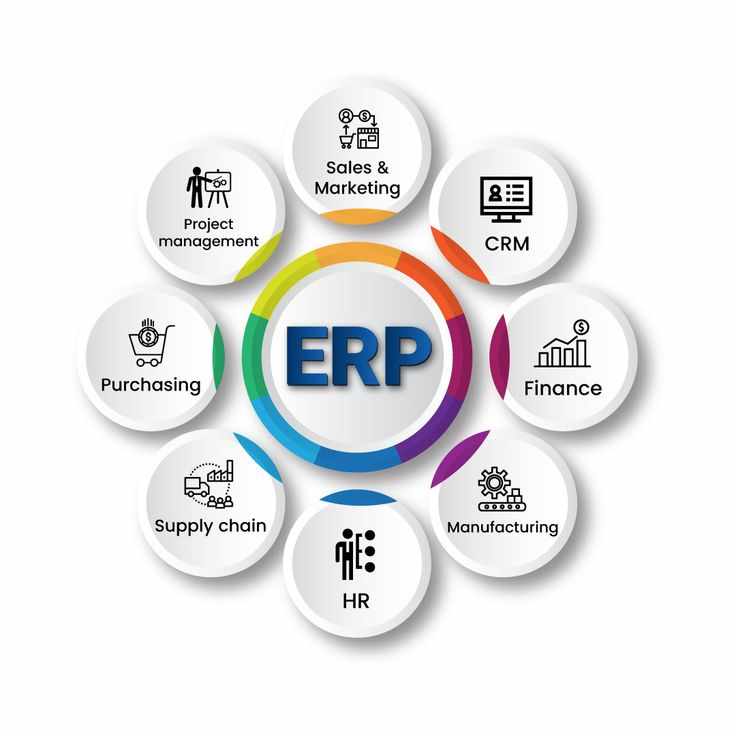
Enterprise Resource Planning software integrates core business functions such as accounting, inventory, manufacturing, HR, CRM, procurement, and sales into a single unified platform. Instead of juggling multiple tools, businesses operate from one source of truth.
In India, ERP systems play a particularly important role due to regulatory requirements like GST, rapid digitalization, and intense market competition. Businesses need systems that are accurate, compliant, and flexible—without being prohibitively expensive.
This has led to growing adoption of Cloud ERP, Open Source ERP, and industry-focused solutions like Manufacturing ERP and ERP for manufacturing.
Why ERP Software India Is No Longer Optional
Indian businesses today operate in a highly dynamic environment. Customer expectations are higher, margins are tighter, and compliance requirements are stricter. ERP software addresses these challenges by bringing structure and automation to daily operations.
ERP systems help businesses reduce operational inefficiencies, eliminate data duplication, and gain real-time insights. With centralized data, decision-makers can respond faster to market changes and make informed strategic choices.
For SMEs, ERP adoption often marks a turning point—from reactive management to proactive growth. For enterprises, ERP systems ensure consistency, scalability, and governance across departments and locations.
The Shift Toward Cloud ERP in India
One of the biggest reasons ERP adoption has accelerated is the rise of Cloud ERP software. Traditional on-premise ERP systems required heavy upfront investments in hardware, IT infrastructure, and maintenance. Cloud-based ERP has removed these barriers.
With a Cloud ERP System, businesses can access their data anytime, anywhere, using desktops or mobile devices. This flexibility supports remote work, multi-location operations, and faster collaboration.
In India, where businesses are increasingly distributed across cities and states, Cloud ERP India has become the preferred deployment model.
The Growing Importance of Open Source ERP
Another major factor driving ERP adoption is the growing trust in open-source technology. Open Source ERP India solutions like ERPNext provide transparency, flexibility, and cost control that proprietary systems often lack.
An open source ERP system allows businesses to:
Avoid expensive license fees
Customize workflows according to unique needs
Maintain long-term control without vendor lock-in
This is especially valuable for Indian SMEs that need enterprise-grade functionality without long-term financial risk.
Why ERPNext Solutions Are Gaining Popularity in India
ERPNext is a modern, fully open-source ERP platform designed with real business processes in mind. It supports a wide range of industries and scales effortlessly from small teams to large enterprises.
ERPNext Solutions stand out because they combine simplicity with depth. Businesses can start with basic modules such as accounting and inventory, then expand into manufacturing, CRM, HR, and projects as they grow.
This modular and scalable approach makes ERPNext one of the Best ERP Software choices in the Indian market.
Key ERPNext Features That Make It Essential
ERPNext offers comprehensive functionality without overwhelming users. Its intuitive interface and well-structured workflows make adoption easier compared to traditional ERP systems.
ERPNext accounting simplifies financial management with GST-compliant invoicing, automated journal entries, bank reconciliation, and real-time financial statements. This makes it a powerful Accounting ERP for Indian businesses.
Inventory and supply chain features help businesses manage stock levels accurately, track batch and serial numbers, and optimize procurement. For manufacturers, ERPNext’s production planning and BOM management make it a reliable Manufacturing ERP solution.
Customer-facing teams benefit from ERPNext CRM, which centralizes lead management, sales pipelines, and customer communication in one place.
ERP for SMEs: Why Small Businesses Need ERP Now More Than Ever
Small and medium enterprises often delay ERP adoption due to cost concerns or the belief that ERP is “too complex.” However, this perception has changed significantly.
Modern ERP systems like ERPNext are specifically designed as ERP for SMEs and ERP for Small Business. They offer affordability, ease of use, and scalability without compromising on functionality.
For SMEs, ERP software provides:
Real-time financial visibility
Better inventory control
Faster order processing
Improved compliance
These benefits directly impact profitability and growth potential.
ERP Software for Enterprises: Managing Scale and Complexity
Large enterprises face a different set of challenges. Multiple departments, locations, and stakeholders make coordination difficult without a centralized system.
ERP software for business ensures consistency across operations, standardized processes, and accurate reporting. Enterprises using ERPNext benefit from customizable workflows, advanced reporting, and seamless integrations.
With ERPNext integrations, enterprises can connect ERP with existing tools such as payment gateways, logistics platforms, and third-party applications.
ERP for Manufacturing: A Critical Use Case in India
Manufacturing is one of the strongest drivers of ERP adoption in India. Manufacturers deal with complex processes involving raw materials, production planning, quality control, and delivery timelines.
ERP for manufacturing with ERPNext helps businesses manage the entire production lifecycle. From material requirement planning to work order execution, ERPNext ensures efficiency and traceability.
This makes ERPNext one of the most practical Manufacturing ERP solutions for Indian manufacturers seeking digital transformation.
ERPNext Implementation: The Foundation of Success
The success of any ERP system depends heavily on how it is implemented. ERPNext Implementation is not just about installing software; it is about aligning technology with business processes.
A structured implementation approach includes process analysis, data migration, user training, and phased rollout. Choosing the right ERP software company India as an implementation partner is crucial.
An experienced partner ensures minimal disruption and maximum ROI from the ERP system.
ERPNext Customization and Flexibility
No two businesses operate the same way. ERPNext addresses this reality through extensive ERPNext Customization options.
Businesses can tailor workflows, add custom fields, create unique reports, and automate approvals. This flexibility ensures that ERPNext adapts to the business, not the other way around.
Customization also plays a key role in aligning ERPNext with industry-specific and regulatory requirements.
ERPNext vs Odoo: A Common Comparison
When businesses evaluate ERP options, ERPNext vs Odoo is a frequent comparison. While both are capable platforms, ERPNext’s fully open-source nature and simpler pricing model often appeal to Indian businesses.
ERPNext is especially strong in Indian accounting compliance and offers a more straightforward user experience for SMEs and mid-sized enterprises.
ERPNext Pricing and Hosting Options
One of the reasons ERPNext is widely adopted is its transparent cost structure. ERPNext Pricing does not include software license fees, as the platform is open source.
Businesses typically invest in:
ERPNext Hosting or ERPNext Cloud Hosting
Implementation and customization services
Ongoing ERPNext Support
This flexible model allows organizations to control costs while scaling functionality as needed.
Mobile ERP Software: Supporting Modern Workforces
Today’s workforce is increasingly mobile. Sales teams, managers, and field staff need access to real-time data on the go.
Mobile ERP Software capabilities in ERPNext allow users to access dashboards, approve transactions, and track activities from smartphones and tablets. This mobility improves responsiveness and operational efficiency.
Real-Life Example: ERPNext Transforming an Indian SME
A mid-sized trading company in India struggled with inventory mismatches, delayed invoicing, and manual accounting. After adopting ERPNext, the company centralized operations, automated GST invoicing, and gained real-time stock visibility.
Within months, the business reduced errors, improved cash flow, and gained confidence to expand into new markets. This example highlights how ERPNext Solutions deliver measurable value for growing businesses.
Pros and Cons of ERPNext Software
ERPNext offers numerous advantages, including open-source flexibility, cloud readiness, modular design, and strong community support. Its adaptability makes it suitable for a wide range of industries.
However, ERPNext does require professional implementation and ongoing support to achieve optimal results. Businesses that invest in expert guidance typically see far greater benefits.
Frequently Asked Questions About ERP Software India
Many businesses ask whether ERPNext is suitable for small companies. The answer is yes—ERPNext is one of the most effective ERP systems for SMEs and startups.
Another common question is about compliance. ERPNext supports Indian GST regulations and standard accounting practices.
Businesses interested in exploring the platform can request an ERPNext Demo to evaluate its features before implementation.
Conclusion: Why ERP Software India Is Essential Today
ERP software is no longer a luxury reserved for large enterprises. In today’s competitive environment, it is a strategic necessity for businesses of all sizes. ERP Software India, powered by modern cloud and open-source platforms, enables organizations to operate efficiently, remain compliant, and scale with confidence.
ERPNext Solutions stand out as a future-ready ERP platform that meets the needs of both SMEs and enterprises. With its robust features, flexible pricing, and strong ecosystem, ERPNext continues to redefine how Indian businesses manage operations.
If you are looking to adopt ERP with clarity and confidence, choosing the right implementation partner is key. Stackerbee Technologies, a trusted ERP software company India, specializes in ERPNext Implementation, customization, hosting, and long-term support. Their expertise ensures that businesses not only deploy ERPNext successfully but also realize tangible business value.


Write a comment ...